Who are furries?
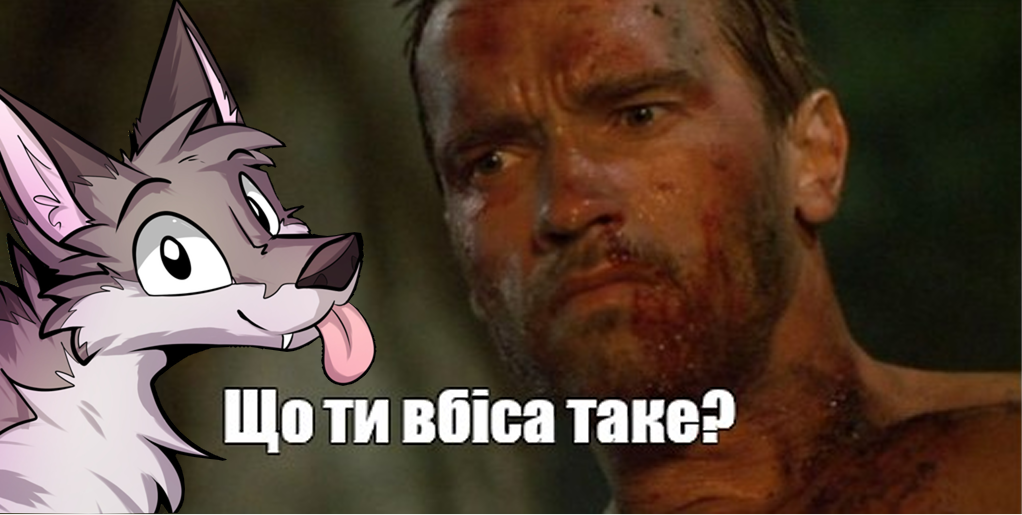
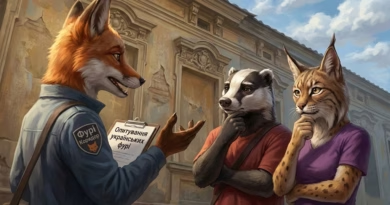
Furry (з англ. furry ) is a multifaceted subculture whose members are interested in anthropomorphic animals — that is, characters with human traits such as intelligence, speech, facial expressions, emotions, walking on two legs, and wearing clothes.
Fans of this subculture create and use fursonas in their art, produce illustrations, write literature, craft costumes (fursuits), participate in role-playing games, and attend conventions and other events. Like any other subculture, the furry community has both a light and a dark side, and it is up to each individual to decide which way they engage with it.
📰📰 Where did we come from?
Interest in anthropomorphic animals has existed for centuries: from Egyptian gods and Greek centaurs to Aesop’s fables and the tales of the Brothers Grimm. In the 20th century, this theme became widespread thanks to animation and comics — think Mickey Mouse and Donald Duck, , Sonic the Hedgehog, Nemo and the Teenage Mutant Ninja Turtles. More recently, you may have heard of Bad Guys, Zootopia, Вeastars, where most, or indeed all, characters are animals with human traits.
The furry subculture as we know it began in the 1980s in the United States. Initially, there were fan clubs at conventions, which over time became a distinct fandom. The first ConFurence took place in California in 1990, establishing the tradition of furry conventions. By the 2000s, the subculture had spread rapidly worldwide, and social media made it easier for artists, writers, and musicians to find audiences and like-minded people.
The furry movement grew at the intersection of science fiction and comic fandoms in the 1980s in the US.
With the rise of the internet, the community received a new boost: specialised forums and websites appeared, later followed by social media, connecting fans across the globe. Many countries now have regional communities that maintain contact with one another. Today, the furry subculture is international and diverse, with members creating media content (art, animation, music, video games), organising local meet-ups, and attending large international conventions.
The Corridor is one such community 🦊🐺🐱🐯🐻🐼🐨🐰🐿️🐲🐉🦁🐮🐵🦝🦘🦡🐧🦉🐦🐸🐢🐍🦎🦕🦖.
🎨Key elements of the furry subculture
Visual Art 🖌️
Drawings of anthropomorphic characters are one of the main forms of creativity in the furry fandom. Art styles range from cartoonish to realistic, with subjects including humour, adventure, drama, or romance. Many artists take commissions, creating fursonas for other community members.
Characters 🐲
Furries often create their own fictional characters — fursonas (from fursona = furry + persona). A fursona can be entirely original or a variation of a known character. Typically, it has a unique appearance, name, personality, and backstory. Fursonas may be used as online avatars, characters in stories, comics, or role-playing games.
Costumes 🦊
One of the most striking aspects of the subculture is fursuits (fursuits— costumes representing a fursona or other anthropomorphic characters.
Fursuits can be full (head to paws) or partial (head, tail, paws, etc.).
Making a fursuit is expensive and labour-intensive, so owning one is considered a significant achievement in the fandom. Fursuits are used in performances, photoshoots, convention parades, or simply for fun.
Communities and Meet-ups 🤝
Furries actively connect online and offline. There are forums, websites with art and stories, social media, and chats dedicated to furry topics. Offline meet-ups and conventions are also a crucial part of the culture. Major events like Anthrocon (USA) or Eurofurence (Germany) attract thousands of participants. Conventions include workshops, art markets, costume contests, performances, and other activities.
✍️✍️ Myths and Misconceptions
Despite the visibility of anthropomorphic characters in popular culture, several stereotypes exist about furries.
Early media coverage (e.g., Wired (1994), Loaded (1998), Vanity Fair (2001) focused heavily on sexual aspects, which led to the misconception that the entire subculture is primarily sexual. In reality, sexual themes are only a small part of the fandom, and many members are not interested in this at all.
Another common myth is that furries “always wear costumes”. Only a small percentage own fursuits, as they are expensive and complex to make. Most furries stick to drawing, writing, roleplay, or socialising.
Some believe furries are “childish or unserious”. In truth, the subculture has a strong creative base, numerous communities, and its own infrastructure. For many, it is not merely a hobby but a way of self-expression, finding like-minded people, and even professional activity (artists, musicians, costumers, event organisers).
🌍 Society and Culture
The furry fandom is a diverse international community, uniting people of different ages, professions, and backgrounds who share an interest in anthropomorphic characters. There is virtually no barrier to entry — anyone can join regardless of their beliefs or intentions, demonstrating the fandom’s openness and inclusivity.
Social Aspect
The furry movement provides members with friendship, support, and a space for self-expression.
It attracts creative individuals: artists, writers, musicians, costume makers.
Many view the fandom as a safe environment for communication, where they can be themselves without prejudice.
Relationship with Other Cultures
Furries have connections with other subcultures: sci-fi and comic fandoms, anime culture, gaming, and role-playing communities. Yet the fandom retains its own identity and traditions, including creating fursonas, making fursuits, and organising conventions.
Events and Activities
The furry community organises both local meet-ups and large-scale conventions. Events feature creative contests, costume parades, workshops, and art markets. They foster a sense of unity and allow participants to experience the culture in person.
So… are you a furry?